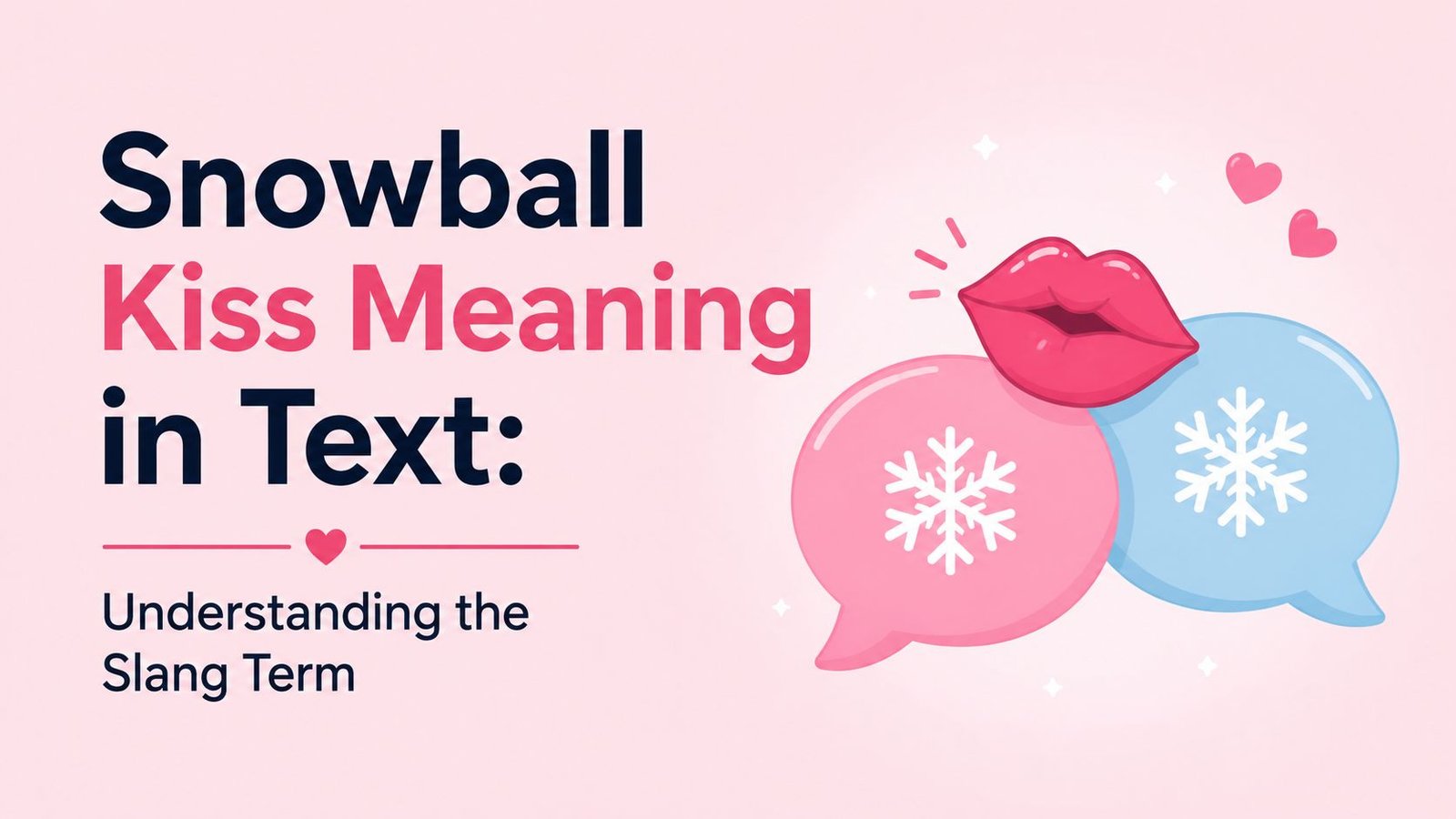
The snowball kiss meaning refers to a romantic or intimate act where partners share a kiss after exchanging bodily fluids. It is an adult term that is often discussed in relationship and intimacy topics. People may have different opinions about it, and it is based on personal choice and mutual consent.
This topic often gets attention because many people hear the term online or in movies. Its unusual name creates curiosity and leads people to learn what it really means. Knowing the correct meaning helps avoid confusion and false ideas.
The snowball kiss meaning is not something every couple enjoys or practices. Personal comfort, respect, and open communication are always important. Learning about this term helps readers understand its context and make informed decisions without misunderstanding or judgment.
What Makes a Slang Term “Go Viral”
Not every slang word takes off. The ones that do usually share a few traits in common:
- A mismatch between sound and meaning. The word sounds cute, wholesome, or ordinary, but the actual definition is a surprise.
- Shock value. People enjoy the “wait, what?” reaction and want others to feel it too.
- Easy shareability. A single screenshot, comment, or TikTok caption is enough to spread it.
- Low effort to repeat. Anyone can drop the term into a text or comment without needing to explain it.
This combination creates a self-feeding cycle: someone learns the term, reacts with surprise, shares that reaction, and a new wave of people gets curious enough to search it themselves.
The “Don’t Google That” Phenomenon
A huge share of viral slang today isn’t spread through direct explanation — it’s spread through warnings. Comment sections fill up with lines like “don’t look this up at work” or “I wish I didn’t know this now.” Ironically, these warnings do more to spread a term than a straightforward definition ever could, because curiosity is a stronger driver of clicks than information itself.
This is a well-documented pattern in online culture: the less something is explained, the more people want to find out for themselves.
Why These Terms Spread So Fast on Social Media
Social platforms are built for quick reactions, not context. That’s exactly why coded or misleading slang thrives there.
| Platform | Why the term spreads there |
|---|---|
| TikTok | Short videos reward shock and reaction over explanation |
| Threads let people ask “what does this mean” anonymously | |
| X (Twitter) | Quote-tweets and replies amplify confused reactions |
| Group chats | Terms get dropped casually, forcing others to ask or search |
In most cases, the joke isn’t the definition itself — it’s watching someone else discover it for the first time.
The Generational Gap Behind Slang Confusion
Slang terms don’t land the same way across age groups, and that gap is part of why these words feel so jarring.
- Younger users tend to encounter slang inside a meme or joke format first, so the shock is often part of the entertainment.
- Older users tend to encounter the same term out of context — in a headline, a text from a younger relative, or a comment thread — which removes the humor and leaves only confusion.
- Neither group typically knows the term’s origin, since most slang spreads informally with no clear creator or starting point.
This mismatch is why a phrase can feel like harmless fun in one comment section and completely inappropriate in another.
ALSO READ: Chud Meaning Slang Simple Definition and Examples
Common Misunderstandings About Viral Slang
A few misconceptions come up again and again with these kinds of terms:
- Assuming the literal meaning is the real meaning. Innocent-sounding words are often chosen specifically because they don’t match their actual definition.
- Assuming everyone uses it the same way. Some terms pick up a second, harmless meaning over time (often through a trend or challenge), which creates two very different definitions existing at once.
- Assuming it’s common slang. Many viral terms are actually niche and only feel “everywhere” because algorithms surface reactions to them repeatedly.
How to Respond If You Encounter One
If a confusing or surprising slang term shows up in a conversation, you don’t need to overreact or pretend to know more than you do.
- Ask directly, if you’re in a casual setting: “What does that even mean?”
- Deflect lightly, if you’d rather not know: “I’m going to pretend I didn’t see that.”
- Redirect the conversation if it feels inappropriate for the setting you’re in.
- Avoid repeating it in professional or mixed-audience spaces until you’re sure of the full context and who’s around.
There’s no obligation to engage with a term just because it’s trending.
The Role of Slang in Modern Communication
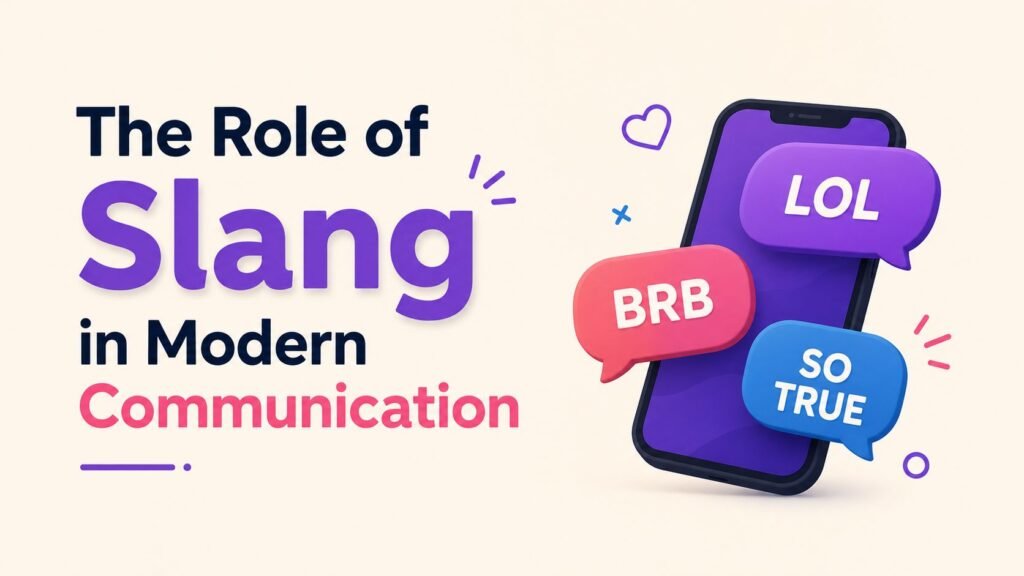
Slang has always evolved quickly, but the internet has sped that process up dramatically. A term can go from a niche forum post to a mainstream reference in days rather than years. Texting and social media reward brevity, so coded or shorthand language fills that space naturally — it lets people signal an in-group joke, reaction, or feeling without spelling it out.
This is part of why slang tied to shock or taboo topics tends to spread faster than neutral slang. It carries an emotional charge, and emotionally charged content is exactly what algorithms are built to promote.
The Cultural Impact of Shock-Value Language
Terms designed around surprise or discomfort don’t just entertain — they also shift what feels normal to say out loud. As a phrase moves from niche to mainstream, its shock value tends to fade, and it starts appearing in casual conversation, comment sections, and even mainstream media references.
This normalization cuts both ways. On one hand, it shows how flexible and creative informal language can be. On the other, it can create real friction when a term crosses into a setting — a classroom, a workplace, a family group chat — where it wasn’t meant to go.
A Broader Look at Coded Slang
Coded slang isn’t new; it’s existed for as long as people have wanted to talk about something without saying it plainly. What’s changed is the speed and scale of exposure.
Common categories of coded slang include:
- Euphemisms that soften a taboo topic
- In-group terms meant to signal shared knowledge or humor
- Rebranded trends where an old, adult-oriented phrase gets a second, cleaner meaning through a new social media challenge
- Warning-based virality, where the term spreads mostly through people telling others not to look it up
Recognizing these categories makes it easier to spot a “loaded” term before searching it in the wrong setting.
What This Teaches Us About Digital Communication Habits
The rise and fall of viral slang says a lot about how people communicate online today:
- Curiosity spreads faster than clear information.
- Context collapses quickly — a term made for one audience reaches a completely different one within hours.
- Reaction content (confusion, shock, humor) often outperforms explanatory content in terms of reach.
- Warnings and vague references can be more powerful marketing than a straightforward definition.
Understanding this pattern helps explain why new “what does this mean” searches never really stop — there’s always another term working its way through the same cycle.
Where Slang Trends Are Headed
As short-form video continues to dominate how people discover language, expect the cycle to keep accelerating. Terms will likely continue to:
- Emerge from niche or adult-oriented spaces before crossing into mainstream feeds
- Pick up secondary, “cleaned up” meanings once a wider audience adopts them
- Spread primarily through reaction and warning content rather than direct explanation
The core pattern — an innocent-sounding phrase hiding an unexpected meaning — isn’t going away. It’s one of the most reliable formulas for online virality, and new versions of it will keep surfacing.
FAQs
Why do slang terms sound innocent but mean something else?
Creators often choose soft or playful-sounding words on purpose, since the contrast between sound and meaning makes the term more memorable and shareable.
Why do people warn others not to search a term instead of explaining it?
Vague warnings create more curiosity than a direct explanation would, which drives more searches and shares.
Are these terms used the same way by everyone?
No. Some terms pick up a second, unrelated meaning through a social trend, so two very different definitions can exist for the same phrase.
How can I tell if a slang term is appropriate to use?
If you’re unsure of a term’s full meaning or your audience, it’s safest to avoid using it in professional or mixed-audience settings.
Why do these terms spread faster among younger audiences?
Younger users typically encounter slang inside memes or short videos first, where the surprise is part of the joke rather than a shock out of context.
Conclusion
In conclusion, the snowball kiss meaning is different for different people. Some see it as a playful act between partners. Others may not like it. The most important thing is respect, trust, and clear consent. Both people should feel safe and comfortable before trying anything.
The snowball kiss meaning also shows that personal choices should always be respected. Every couple has different likes and limits. Good communication helps build a healthy relationship. It is always better to understand each other and make decisions together without pressure or judgment.