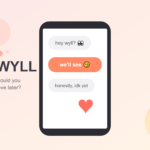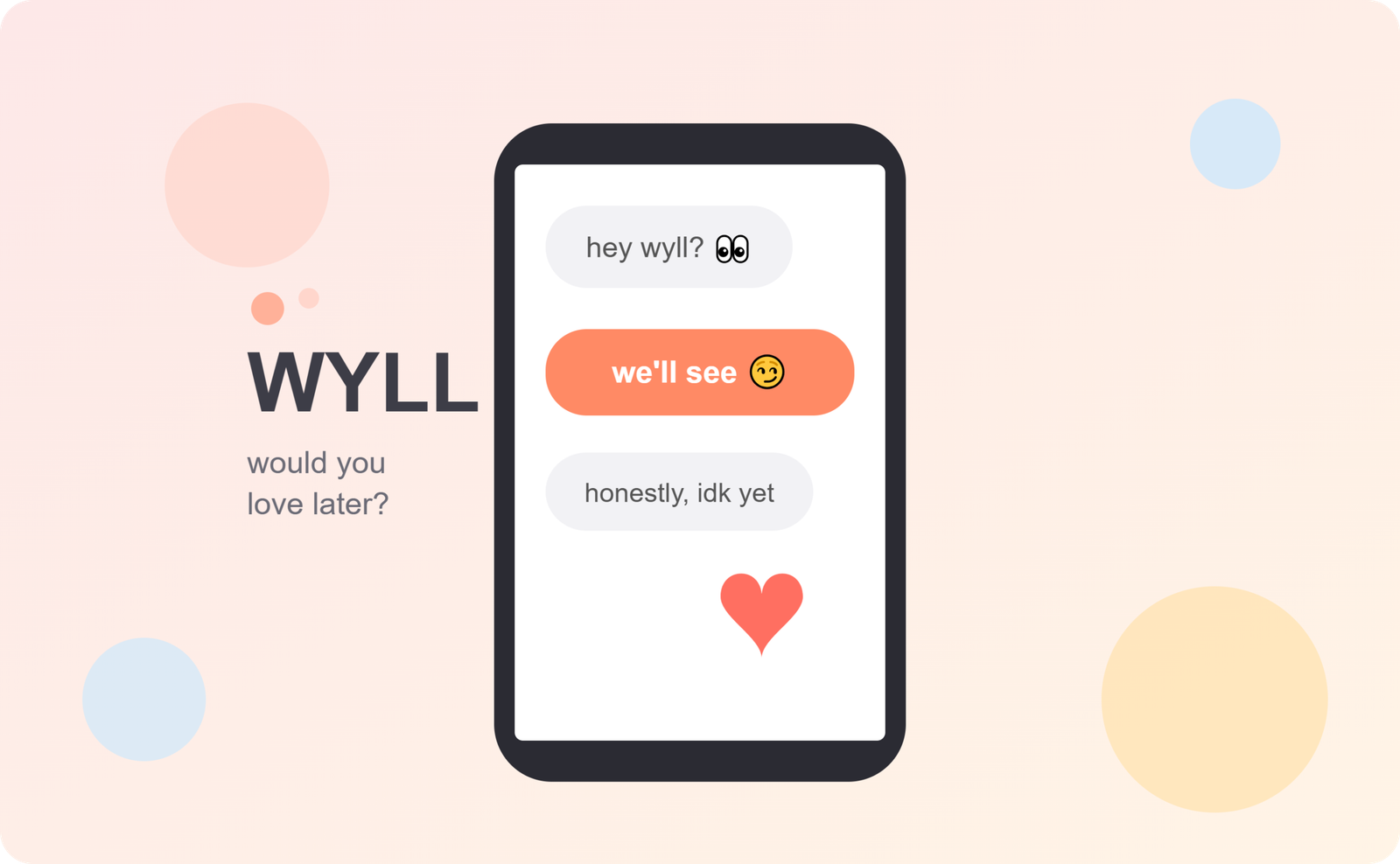
WYLL meaning in text refers to “Would You Love Later,” a flirty texting abbreviation that asks whether someone’s feelings will last past the moment. You’ll spot it on Snapchat, Instagram, and dating apps whenever a conversation shifts from casual to curious.
Here’s the thing about WYLL meaning: those four letters pack more emotional weight than almost any other texting abbreviation out there. One quick message, and suddenly you’re deciding how much to reveal, how fast to move, and whether this person actually deserves an honest answer.
Understanding the WYLL meaning gives you the upper hand. You’ll know exactly when it’s playful, when it’s genuine, and when it’s time to shut it down completely.
What Does WYLL Mean in Text?
WYLL stands for “Would You Love Later,” though you’ll also see it used more loosely to mean “will you love (someone) later” or, in some circles, as a flirty way of asking whether someone still has feelings for a person down the line. The WYLL text meaning almost always carries a romantic or emotionally curious undertone — it’s rarely a neutral, logistics-only question like “what time works for you.”
Here’s the short version if you’re in a hurry:
WYLL = “Would You Love Later” — a flirty or curious texting abbreviation that asks whether someone will still have feelings, interest, or affection for a person (often the sender) at some point in the future.
Unlike straightforward abbreviations such as “BRB” or “TTYL,” which describe an action, WYLL asks a question about feelings. That’s what makes it trickier to answer — and why so many people search for the WYLL meaning explained before they type back a response.
Quick Definition Table
| Term | Full Meaning | Typical Use |
|---|---|---|
| WYLL | Would You Love Later | Flirty check-in, romantic curiosity |
| WYD | What You Doing | Casual, general check-in |
| WYA | Where You At | Logistics, meeting up |
| WYS | What You Saying | Reaction, agreement check |
| WYO | What’s Your Opinion / What You On | Opinion check, plans check |
What Does WYLL Stand For?
To fully understand the WYLL abbreviation, it helps to break the phrase down word by word:
- W — Would
- Y — You
- L — Love
- L — Later
Put together, it reads as “Would you love later,” which is a slightly awkward but very intentional grammatical choice. The phrase isn’t meant to be a polished sentence — it’s internet slang, and internet slang trades grammatical precision for speed and vibe. The WYLL meaning works because it’s short, easy to type on a phone keyboard, and instantly recognizable to anyone who’s active on messaging apps.
Some people also use WYLL as shorthand for “Will You Love me Later,” which shifts the phrase from a general question into a direct, personal one. Both versions carry the same emotional undertone — they’re asking about the durability of someone’s feelings, not just their feelings right now.
Why the Wording Matters
The grammar of WYLL is intentionally loose because texting abbreviations prioritize feel over formality. Compare it to how “WYD” doesn’t literally read as a complete sentence either — “what you doing” drops the auxiliary verb “are” that formal English would require. This is standard for chat abbreviation culture: the goal is instant recognition, not textbook grammar.
Where Did WYLL Come From?
Like most texting abbreviations, WYLL doesn’t have one single, well-documented birth moment. It grew out of the broader wave of texting shorthand that exploded once SMS character limits and, later, mobile keyboards made short-form communication the norm. Abbreviations like WYD, TTYL, and BRB paved the way, and WYLL followed the same logic: take a common flirty or emotionally loaded question and compress it into something you can type in two seconds.
What’s different about WYLL compared to older internet abbreviation staples is its emotional weight. Most classic texting shorthand (LOL, BRB, OMW) describes an action or reaction. WYLL asks something more personal — it’s less “what are you doing” and more “how do you feel, and will that feeling last.” That makes it part of a newer wave of texting slang that leans into vulnerability and flirtation rather than pure convenience.
You’ll find WYLL most heavily used among younger texters, particularly on platforms built around quick, casual, often flirty exchanges. It picked up steam on Snapchat first, then spread to Instagram DMs and dating apps as those platforms became bigger hubs for one-on-one conversation.
WYLL on Snapchat, Instagram, and Dating Apps — Where You’ll Actually See It
Context changes everything with WYLL. The same four letters can read as playful, curious, or a little intense depending on which app it shows up in. Here’s how the WYLL question tends to play out across the three platforms where it’s most common.
WYLL on Snapchat: Ground Zero for the Question
Snapchat slang has its own rhythm — short bursts, disappearing messages, and a culture built around quick back-and-forth. WYLL fits naturally into Snapchat messages because the app already encourages low-commitment, playful exchanges. Someone might send a snap of themselves and follow up with “wyll?” as a way to gauge interest without directly saying “I like you.”
Because Snapchat conversations often move fast and feel low-stakes (thanks to the disappearing format), WYLL on this platform frequently reads as light and testing-the-waters rather than deeply serious. It’s a way to flirt without fully committing to the vulnerability of a direct question.
WYLL on Instagram: When Your Photos Are Already Public
Instagram slang works a little differently because Instagram is often more public-facing than Snapchat. When WYLL shows up in Instagram messages, it’s frequently a response to a post, story, or photo — someone reacts to what you shared and then asks WYLL as a way of extending the conversation into more personal territory.
Since your Instagram content is often visible to a wider audience, a WYLL DM can feel more intentional. The sender has usually seen enough of your public presence to already have some interest, and the question becomes less about curiosity and more about gauging reciprocity.
WYLL on Dating Apps: Meet the “WYLL Warrior”
Dating app slang has fully embraced WYLL, and it shows up constantly in online dating conversations, especially early on. On dating apps, WYLL often functions as a filtering question — a quick way to see if the other person is looking for something casual or something with more staying power.
Some frequent daters have jokingly started calling repeat WYLL-senders “WYLL warriors” — people who lead with this question in nearly every new match as an efficient way to sort potential matches by intent. If you’re active on dating apps, don’t be surprised if you see this exact WYLL text show up within the first few exchanges.
| Platform | Typical Tone | Common Timing |
|---|---|---|
| Snapchat | Playful, testing the waters | Anytime, often mid-conversation |
| More intentional, post-reaction driven | After viewing a story or post | |
| Dating Apps | Direct, filtering for intent | Early in a match, often within the first few messages |
WYLL vs. WYD, WYS, WYA, WYO — What’s the Real Difference?
It’s easy to mix up WYLL with the alphabet soup of similar-looking texting abbreviations. Here’s a clear breakdown of the WYLL difference compared to its closest cousins.
- WYD (“what you doing”) — A general, low-pressure check-in about someone’s current activity. This is the most neutral of the bunch and doesn’t carry the romantic weight WYLL does.
- WYA (“where you at”) — Purely logistical. It’s about location, not feelings.
- WYS (“what you saying”) — Usually used to check reaction or agreement, similar to “what’s up” or “you down?”
- WYO (“what’s your opinion” or “what you on”) — Context-dependent, but generally about plans or thoughts, not romantic feelings.
- WYLL (“would you love later”) — The only one in this group that directly asks about emotional durability. It’s not about the present moment; it’s about the future.
The biggest thing that separates WYD meaning from WYLL is intent. WYD is a conversation starter. WYLL is a conversation deepener — it usually shows up once some level of interest or flirtation already exists, and it pushes the exchange toward something more personal.
At-a-Glance Comparison
| Abbreviation | Asks About | Emotional Weight | Typical Stage of Conversation |
|---|---|---|---|
| WYD | Current activity | Low | Opening or casual check-in |
| WYA | Location | Low | Planning to meet up |
| WYS | Reaction/agreement | Low-Medium | Mid-conversation |
| WYO | Plans/opinion | Low-Medium | Mid-conversation |
| WYLL | Future feelings | High | Once some rapport exists |
Does WYLL Always Mean the Same Thing?
Not exactly. While the core WYLL definition stays consistent, the tone shifts a lot based on context. Here are the three most common variations you’ll run into:
Casual and playful. Sent as a light tease, often paired with emojis or a joking follow-up. This version isn’t looking for a deep answer — it’s flirtation for the sake of flirtation.
Genuinely curious. Sent by someone who’s actually invested and wants to know where they stand. This version usually comes after multiple conversations or dates, and the sender is putting themselves a little on the line by asking.
Testing or pressuring. Occasionally, WYLL gets used repeatedly or aggressively as a way to push someone toward a commitment they haven’t offered. This is the version worth watching out for, and it’s covered in more detail later in this guide.
The meaning of WYLL you’re dealing with usually becomes clear from the surrounding conversation. A single WYLL sent after a fun exchange is very different from five WYLLs sent over a week when you haven’t responded to the first one.
Is Asking Someone WYLL Rude?
Not inherently, no. Asking WYLL once, in a lighthearted context, with an easy out for the other person to answer honestly, is a pretty normal piece of flirty texting. Plenty of people enjoy the playful curiosity behind it.
It becomes rude — or at least uncomfortable — in a few specific situations:
- When it’s sent by a stranger with no prior conversation
- When it’s repeated after being ignored
- When it’s used to pressure someone into a commitment they’ve already declined
- When it’s paired with guilt-tripping language if the answer isn’t what the sender wanted
The short answer: WYLL itself isn’t rude. How it’s used, and how the sender handles the response, is what determines whether it crosses a line.
How to Reply to WYLL — 10 Responses That Keep You Completely in Control
This is the part most people are actually looking for. Below are ten solid WYLL text replies, organized by tone, so you can pick whatever fits the situation. Each one is ready to copy, paste, and send.
Playful and Flirty Replies
If the conversation has been fun and you want to keep that energy going, these flirty responses work well.
- “Depends — you gonna make it worth my while?”
- “Ask me again after you take me on a real date.”
- “That’s a big question for someone I just met 👀”
These replies keep things light while still signaling interest. They don’t commit to anything, but they don’t shut the door either — they just toss the ball back into the sender’s court.
Deflecting Without Shutting the Door
Sometimes you’re not ready to answer directly, but you still want to keep talking. These playful replies buy time gracefully.
- “We’ll see. Ask me again in a few weeks.”
- “That’s classified information for now 😏”
- “Let’s just see where this goes first.”
This category is ideal when you’re genuinely unsure how you feel and don’t want to fake certainty in either direction.
Straightforward and Honest Replies
If you’d rather skip the games entirely, these honest replies get straight to the point.
- “I like where this is going, but I’m taking things slow.”
- “Honestly, I’m still figuring that out myself.”
- “I don’t really know yet, but I’m enjoying getting to know you.”
Honesty tends to land well because it treats the other person like an adult. It also sets a healthier tone for the rest of the conversation — you’re not performing an answer you don’t actually have.
Firm Replies for When You Don’t Want to Answer
If the question feels premature, repetitive, or like it’s putting you on the spot in a way you don’t appreciate, these firm responses work.
- “That’s not something I’m ready to answer, and I’d rather not be asked again right now.”
You can also adapt this into shorter versions depending on the situation:
- “I’m not answering that right now.”
- “Let’s slow down a bit — we just started talking.”
- “I’d rather get to know you more before going there.”
A firm reply doesn’t have to be harsh. It just needs to be clear. Firm texting comebacks protect your comfort level without requiring an explanation you don’t owe anyone.
Reply Cheat Sheet
| Mood | Best Reply Style | Example |
|---|---|---|
| Having fun, want to flirt | Playful | “You gonna make it worth my while?” |
| Not sure yet | Deflecting | “We’ll see, ask me later.” |
| Ready to be real | Honest | “Still figuring that out myself.” |
| Uncomfortable or pressured | Firm | “Not something I’m answering right now.” |
When Should You Never Answer WYLL?
There are situations where the smartest WYLL response is no response at all, or a firm boundary instead of a playful one. Watch for these warning signs:
- It’s coming from a stranger with zero prior conversation. A WYLL out of nowhere from someone you’ve never spoken to isn’t cute curiosity — it’s a shortcut past actually getting to know you.
- It’s paired with pressure to share your location or personal details. Any message that combines a WYLL-style emotional question with requests for where you live, work, or currently are should raise a flag.
- You’ve already declined and they’re asking again. Repeated WYLL messages after you’ve made it clear you’re not interested cross from flirtation into pressure.
- It’s the only thing they ever ask. If every conversation with someone circles back to WYLL with no genuine interest in anything else about you, that’s a sign the question isn’t really about connection — it’s about extracting a specific answer.
In any of these cases, you’re not obligated to respond at all, and disengaging or blocking is a completely reasonable move.
Does WYLL Have Any Other Meanings?
While “Would You Love Later” is by far the most common WYLL slang meaning, the same four letters occasionally pop up in other, unrelated contexts online. A few examples worth knowing:
- In some gaming and Discord communities, WYLL has been used as shorthand tied to character names or in-jokes specific to that server or game — this has nothing to do with the texting definition and is purely coincidental overlap.
- Occasionally, people use it as a rushed typo or shorthand for other phrases entirely, especially in fast-moving group chats where context makes the meaning obvious even if the letters technically match something else.
If you see WYLL used in a context that clearly isn’t romantic or flirtatious — like a gaming Discord or a niche fan community — trust the surrounding conversation over the abbreviation itself. Online terminology is highly context-dependent, and the same shorthand can mean different things in different corners of the internet.
7 Facts About WYLL That Even the People Sending It Don’t Know
To wrap things up, here are seven facts about WYLL texting slang worth knowing, whether you’re the one sending it or the one deciding how to reply.
- WYLL is part of a broader trend of “feelings-based” texting abbreviations. Unlike older shorthand focused on actions (BRB, OMW, TTYL), newer slang like WYLL reflects a shift toward compressing emotional questions into quick, low-commitment text.
- The phrase deliberately avoids formal grammar. “Would you love later” isn’t a complete, properly structured sentence — and that’s intentional. Internet slang consistently favors speed and recognizability over grammatical correctness.
- It functions differently depending on relationship stage. Early in a conversation, WYLL usually tests interest. Later on, after some rapport is built, it shifts toward genuinely checking in on where things stand.
- Repetition changes its meaning entirely. A single WYLL reads as playful. Repeated, unanswered WYLLs shift the tone toward pressure — the exact same four letters can mean very different things depending on frequency.
- It’s platform-sensitive. The same message can land completely differently depending on whether it’s sent through Snapchat’s fast, disappearing format, Instagram’s more public-facing context, or a dating app’s filtering-focused environment.
- You’re never obligated to answer it directly. Despite how direct the question sounds, none of the ten reply styles above require you to give a definitive yes-or-no answer. Deflecting, being honest about uncertainty, or firmly declining are all valid, complete responses.
- It’s a two-way filter, not just a one-way question. Just as much as WYLL tells the recipient something about the sender’s interest, how someone reacts to your reply — especially a firm or honest one — tells you a lot about whether they’re worth continuing to talk to.
FAQs
What does WYLL mean in text?
WYLL stands for “Would You Love Later,” a flirty texting abbreviation asking whether someone’s feelings will hold up over time. It’s most common on Snapchat, Instagram, and dating apps in 2026.
Is WYLL the same as WYD?
No. WYD (“what you doing”) is a neutral activity check-in, while WYLL specifically asks about future feelings and carries much more emotional weight.
Do I have to answer WYLL directly?
No. Playful, deflecting, honest, or firm replies are all valid — you’re never obligated to give a definitive yes-or-no answer.
Is it rude if someone asks me WYLL?
Not on its own. It becomes a problem only if it’s repeated after you’ve been ignored, comes from a stranger, or is used to pressure you.
Does WYLL always mean something romantic?
Almost always, yes. Rare exceptions pop up in niche gaming or Discord communities, but in everyday texting it’s tied to flirtation or emotional interest.
conclusion
Now you know the WYLL meaning in text. It stands for “Would You Love Later.” It shows up on Snapchat, Instagram, and dating apps. The tone can be playful, curious, or pushy. Context always tells you which one.
Understanding the WYLL meaning puts you in control. You don’t have to answer right away. Pick a reply that fits your mood. Stay playful, honest, or firm — it’s your choice. Next time WYLL lands in your inbox, you’ll know exactly what to do.